
Dental Implants vs. Bridges: Pros and Cons for Patients
When you are missing one or more teeth, choosing the right replacement option is an important decision. Two of the most common solutions are dental implants and traditional dental bridges. Each offers unique benefits, and the right choice depends on your oral health, goals, and long term expectations.
At Oral Facial Surgery Associates, we help patients throughout the Cincinnati area understand their options clearly. By comparing the pros and cons of dental implants and bridges, you can feel more confident about selecting the treatment that best supports your smile and overall health.
What Are Dental Implants and Dental Bridges?
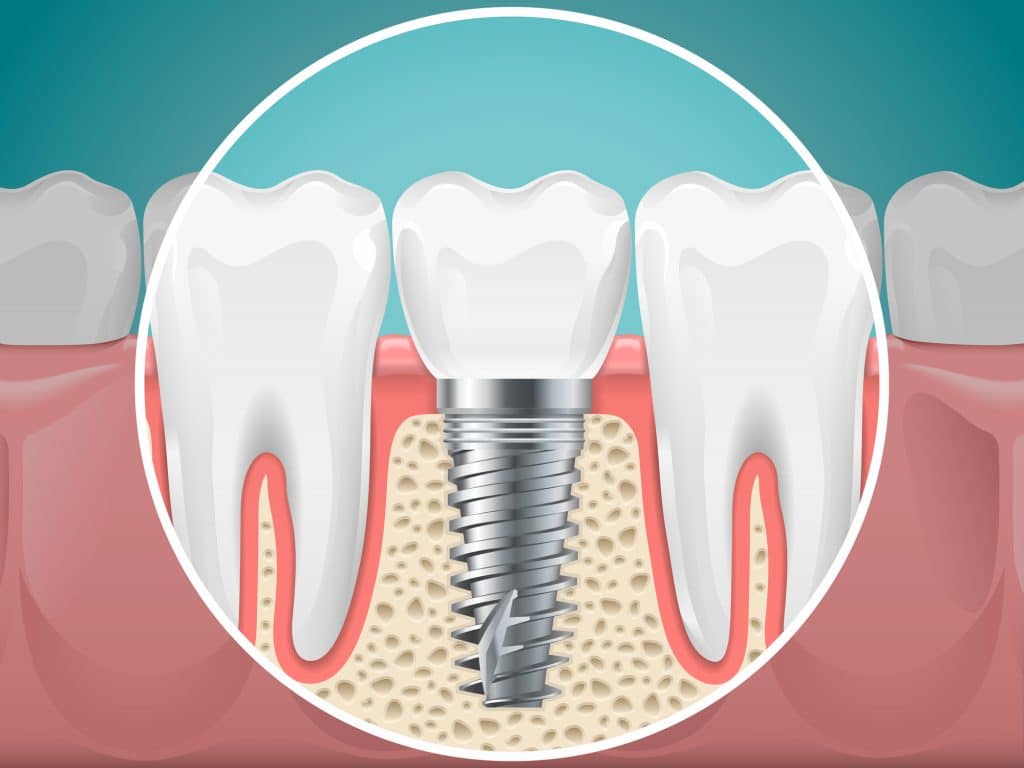
Dental implants are small titanium posts that are surgically placed into the jawbone to replace missing tooth roots. Once the implant integrates with the bone, a custom crown is attached to restore the appearance and function of a natural tooth. Because the implant becomes part of the jaw, it provides exceptional stability.
A dental bridge, on the other hand, uses the neighboring teeth for support. The teeth on either side of the gap are reshaped and fitted with crowns, which anchor a false tooth in between. Bridges are typically fixed in place and do not require surgery.
Both options restore your ability to chew, speak, and smile confidently. However, the way they function and impact your oral health over time can differ significantly.
Pros and Cons of Dental Implants
One of the biggest advantages of dental implants is their ability to preserve jawbone health. When a tooth is lost, the bone beneath it begins to shrink over time. Implants stimulate the bone much like natural tooth roots, helping prevent bone loss and maintain facial structure.
Another major benefit is longevity. With proper care, implants can last for decades. They are designed to be a durable and stable solution that does not rely on adjacent teeth for support. This means healthy neighboring teeth remain untouched.
Implants also look and feel very natural. Because they are anchored in the jaw, they do not shift or move. Patients can enjoy a wide range of foods without concern.
However, there are considerations. Implant placement requires a surgical procedure and a healing period. Some patients may need additional treatments such as bone grafting before implant placement. The process can take several months from start to finish, depending on individual healing and treatment needs.
Cost may also be higher upfront compared to a bridge. Still, many patients find that the long term durability and health benefits make implants a worthwhile investment.
Pros and Cons of Dental Bridges
Dental bridges offer a faster treatment timeline in many cases. Because they do not require surgical placement into the jawbone, the process can often be completed in just a few visits. This can be appealing for patients seeking a quicker solution.
Bridges are also typically less expensive initially than implants. For patients who are not candidates for surgery due to medical conditions or insufficient bone, a bridge may provide a practical alternative.
That said, bridges have certain limitations. To place a bridge, the surrounding healthy teeth must be reshaped to accommodate crowns. This permanently alters those teeth, even if they were previously free of damage.
Bridges also do not stimulate the jawbone in the same way implants do. Over time, the bone in the area of the missing tooth can continue to deteriorate. This may affect facial structure and the stability of the restoration.
In addition, bridges generally have a shorter lifespan compared to implants. While they can last many years with proper care, they may eventually need to be replaced.
Key Differences That Impact Long Term Oral Health
When comparing dental implants and bridges, it is important to look beyond the immediate results and consider long term oral health. Implants function independently, which helps maintain the integrity of adjacent teeth. They also promote bone preservation, which supports overall facial structure and bite stability.
Bridges rely on neighboring teeth for support. While effective, this added pressure can place stress on those teeth over time. If one of the supporting teeth develops decay or other issues, the entire bridge may be affected.
Oral hygiene is another consideration. Implants can be brushed and flossed much like natural teeth. Bridges require careful cleaning underneath the false tooth using special flossing tools to prevent plaque buildup.
At Oral Facial Surgery Associates, we conduct thorough evaluations to determine which option aligns best with your oral health, lifestyle, and long term goals. Every patient’s situation is unique, and a personalized consultation is essential for making the right decision.
Choosing the Right Option for Your Smile
The decision between dental implants and bridges depends on several factors, including bone health, the condition of adjacent teeth, medical history, and personal preferences. Patients seeking a long lasting solution that preserves bone and does not impact neighboring teeth often lean toward implants.
Those who prefer a non surgical option or need a quicker restoration may consider a bridge. In some cases, financial considerations also play a role in the decision making process.
The best way to determine the right treatment is through a comprehensive evaluation. Advanced imaging and a detailed review of your dental history allow us to create a customized treatment plan. Our goal is to help you restore both function and confidence while protecting your long term oral health.
Frequently Asked Questions About Tooth Replacement Options
Are dental implants more durable than bridges?
In many cases, dental implants last longer than bridges when properly maintained. Because implants integrate with the jawbone, they provide strong and stable support that can last for decades.
Can I switch from a bridge to an implant later?
In some situations, it is possible to replace a bridge with an implant. This depends on bone health and the condition of surrounding teeth. A consultation is necessary to determine whether this transition is a suitable option.
At Oral Facial Surgery Associates, we are dedicated to providing advanced surgical solutions tailored to each patient’s needs. We proudly serve the Cincinnati community with comprehensive tooth replacement options designed for long term success. If you are exploring dental implants or other restorative treatments, contact us today to schedule a consultation.