
What Happens If You Delay Replacing a Missing Tooth With an Implant?
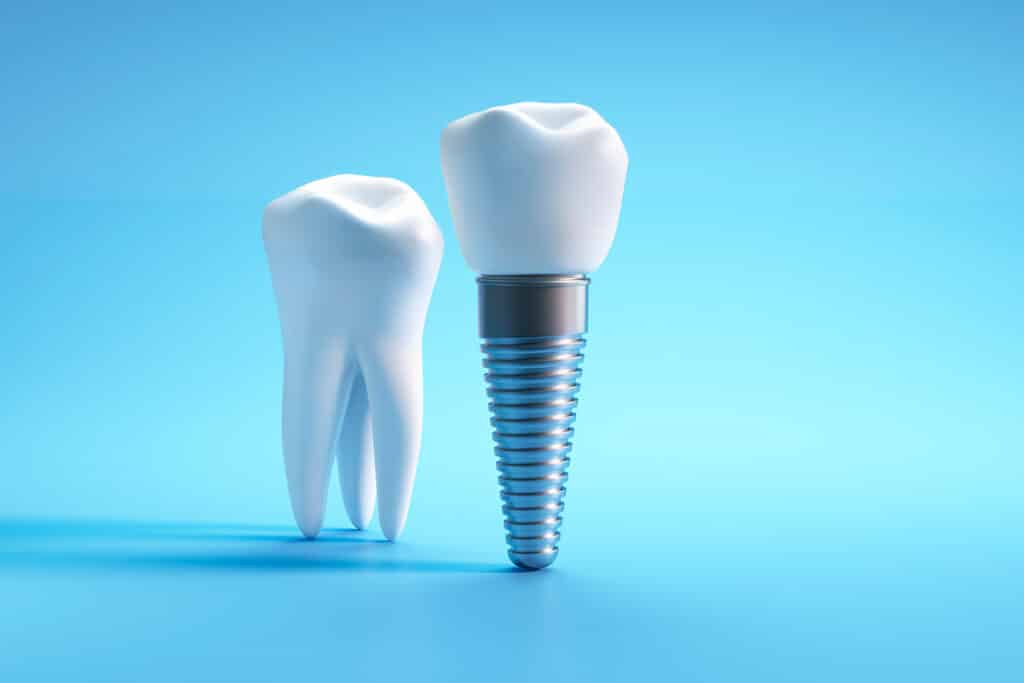
When we lose a tooth, whether from decay, injury, or extraction, it can be tempting to put off the decision to replace it. Life gets busy, budgets get tight, and a gap in the back of the mouth may not seem urgent. We understand this hesitation, but we also see firsthand what happens when tooth replacement is delayed for months or years. The truth is that an empty socket is never just an empty socket. It sets off a chain of changes in the jaw, the bite, and the surrounding teeth that can make treatment more complicated and more costly down the road.
In this article, we want to walk through what actually happens inside your mouth when a missing tooth goes unaddressed, and why we so often recommend dental implants as a timely and long-term solution.
Bone Loss Begins Almost Immediately
Our jawbone stays strong and dense because the roots of our teeth stimulate it every time we bite and chew. Once a tooth is gone, that stimulation disappears, and the bone in that area begins to resorb, or shrink, because the body no longer sees a reason to maintain it. This process can start within weeks of tooth loss and continues over time.
We often see patients who waited years to replace a missing tooth and, as a result, no longer have enough bone volume to support an implant without additional treatment, such as bone grafting. The longer we wait, the more bone we tend to lose, which means the smoothest path to a stable, long-lasting implant is usually the one taken sooner rather than later.
Neighboring Teeth Begin to Shift
Teeth are not fixed in place forever. They rely on the presence of the teeth around them to stay properly aligned. When a gap opens up, nearby teeth naturally drift toward that open space. Upper teeth can also begin to shift downward if there is no opposing tooth to bite against.
This shifting does more than change your smile. It can throw off your bite alignment, create uneven pressure on certain teeth, and make it harder to clean between teeth properly, which raises the risk of decay and gum disease in that area. In some cases, we find that shifting has progressed far enough that orthodontic treatment is needed before an implant can even be placed.
Your Bite and Jaw Function Can Change
As surrounding teeth drift and the bite shifts to compensate for a missing tooth, many people begin to experience changes in how their jaw functions. We frequently hear about new jaw discomfort, clicking, or fatigue in patients who have gone a long time without replacing a tooth. Over time, this misalignment can contribute to temporomandibular joint issues, sometimes referred to as TMJ problems, and can affect chewing efficiency and comfort.
Chewing on one side of the mouth to avoid the gap is also common, and this uneven use of the jaw can create muscle strain and further complicate bite mechanics over the long term.
Gum and Oral Health Can Decline
An open space left by a missing tooth is harder to keep clean than a full set of teeth. Food particles and bacteria collect more easily in that area, and the gum tissue around the gap can begin to recede or become irritated. This creates conditions that favor gum disease, which itself can accelerate additional bone and tooth loss if left unmanaged.
We also see an increased risk of decay developing on the teeth adjacent to the gap, since those teeth are now exposed on a surface that was previously protected by the missing tooth.
Facial Structure and Appearance May Be Affected
Our facial structure depends heavily on the support provided by the jawbone and teeth. When bone loss occurs in the area of a missing tooth, especially over a period of years, it can lead to a sunken or aged appearance in that part of the face. This is particularly noticeable when multiple teeth are missing or when the tooth loss involves the front of the mouth.
Many patients tell us they did not realize how much a missing tooth was affecting their overall facial appearance until treatment restored proper support to that area.
Treatment Becomes More Complex and Costly
Perhaps the most practical consequence of delaying tooth replacement is that treatment tends to become more involved the longer we wait. What might have been a straightforward implant placement early on can turn into a process that requires bone grafting, sinus lift procedures for upper back teeth, or orthodontic work to correct shifting before an implant can be placed at all.
This added complexity generally means more appointments, more healing time, and more expense than if the tooth had been replaced sooner. It is one of the main reasons we encourage patients not to wait longer than necessary once a tooth has been lost.
Making Timely Tooth Replacement a Priority
We know that replacing a missing tooth is not always the first thing on your mind, especially if the gap is not causing pain or is not highly visible. But the changes happening beneath the surface, in your bone, your bite, and your surrounding teeth, do not pause just because the issue is out of sight. The sooner we are able to evaluate your situation and place a dental implant, the more likely we are able to preserve your natural bone structure, protect your remaining teeth, and keep treatment as simple and predictable as possible.
If it has been a while since you lost a tooth, it is not too late to explore your options. Every case is different, and we take the time to assess your bone health, bite, and overall oral condition before recommending a path forward.
Frequently Asked Questions About Delaying Dental Implants
How soon after losing a tooth should I consider an implant?
While timelines vary by individual case, we generally recommend beginning the evaluation process as soon as possible after tooth loss to minimize bone loss and shifting.
Can I still get a dental implant if I waited several years to replace my tooth?
In many cases, yes. Additional procedures such as bone grafting may be needed first, but we are often able to restore enough bone structure to support a successful implant.
Will delaying implant treatment always require bone grafting?
Not always, but the longer bone loss continues, the more likely grafting becomes necessary before an implant can be placed securely.
Does a missing tooth really affect my other teeth?
Yes. Neighboring teeth can shift, opposing teeth can move out of alignment, and adjacent teeth face a higher risk of decay and gum problems.
What is the first step if I have a missing tooth I have not replaced?
The first step is a thorough evaluation of your jawbone, bite, and oral health so we can determine the most appropriate and efficient path toward a lasting solution.
Oral and Facial Surgery Associates provides advanced oral and maxillofacial surgical care to patients throughout the Cincinnati area, with a focus on dental implants, bone grafting, and comprehensive tooth replacement solutions. If you have a missing tooth and want to understand your options, contact us today to schedule a consultation.