
What to Expect During Recovery from Different Sedation Methods
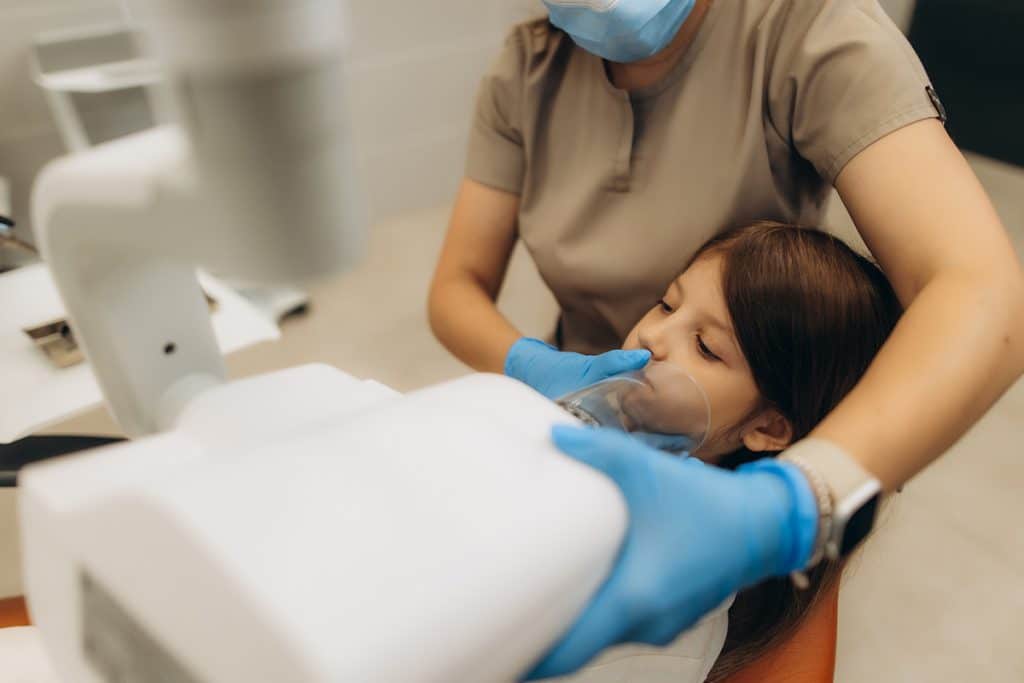
For many patients, the idea of oral surgery can feel stressful or intimidating. Sedation options help make treatment more comfortable, allowing patients to feel relaxed and at ease throughout their procedure. However, many people also wonder what recovery will be like after sedation and how long it may take to feel normal again. Understanding the recovery process for different types of sedation can help patients prepare for a smoother experience before and after oral surgery.
At Oral & Facial Surgery Associates, patient comfort and safety are priorities throughout every procedure. Different forms of sedation affect the body in different ways, which means recovery experiences can vary depending on the method used. Knowing what to expect can help patients plan transportation, time off work, meals, and rest during recovery.
Understanding the Different Types of Sedation
There are several sedation methods commonly used during oral surgery procedures. The type recommended often depends on the complexity of the treatment, the patient’s medical history, and their level of anxiety. Some patients may only need mild relaxation, while others benefit from deeper sedation for more involved procedures.
IV sedation provides medication directly through a vein, allowing patients to enter a more relaxed state with little memory of the procedure afterward. General anesthesia is typically reserved for more complex surgeries and causes the patient to become fully unconscious during treatment.
No matter which option is recommended, patients receiving sedation dentistry can feel confident knowing their care is carefully monitored throughout the procedure and recovery process.
Recovery Following IV Sedation
IV sedation is commonly used for more complex oral surgery procedures, including wisdom tooth removal and dental implant placement. Because the medication is administered directly into the bloodstream, patients typically experience a deeper level of relaxation and may remember very little about the procedure afterward.
Recovery from IV sedation can vary depending on the medications used, the length of the procedure, and the individual patient. Many patients feel groggy, sleepy, or disoriented for several hours following treatment. Some people also experience mild nausea or dizziness during the early recovery period.
Patients receiving IV sedation must have someone drive them home after surgery. It is also recommended that a responsible adult remain with them for several hours while the sedation fully wears off. Most patients spend the rest of the day resting and limiting physical activity.
Hydration is especially important after IV sedation. Starting with clear liquids and soft foods can help reduce stomach discomfort while the body recovers. Patients should continue taking medications exactly as directed and avoid strenuous activity for at least 24 hours or longer depending on the procedure performed.
By the following day, many patients notice significant improvement in alertness and energy levels. However, some fatigue may still be present while the body continues healing from both the surgery and the sedation.
General Anesthesia Recovery Expectations
General anesthesia is often used for extensive oral surgery procedures or when deeper unconsciousness is necessary. Because patients are completely asleep during treatment, recovery tends to be longer and more involved than with lighter forms of sedation.
Immediately after surgery, patients are monitored closely as they wake up from anesthesia. It is common to experience grogginess, confusion, chills, dry mouth, or mild nausea during the initial recovery phase. These effects gradually improve as the anesthesia medications leave the body.
Patients recovering from general anesthesia require transportation home and should have someone stay with them during the first 24 hours. Most patients spend the remainder of the day sleeping or resting. It is important to avoid physical exertion, driving, alcohol, and decision-making activities during this time.
Eating small, bland meals and drinking plenty of fluids can help ease recovery. While most sedation-related symptoms improve within 24 hours, complete recovery from the oral surgery itself may take several days or weeks depending on the procedure performed.
Patients should contact their oral surgeon if they experience severe nausea, difficulty breathing, prolonged dizziness, excessive bleeding, or other unusual symptoms during recovery.
Factors That Can Affect Sedation Recovery
Every patient responds differently to sedation. Several factors can influence how quickly someone recovers, including age, overall health, medications, anxiety levels, and the type of procedure performed. Patients with certain medical conditions or those taking specific medications may process sedation more slowly.
The duration of the procedure can also affect recovery time. Longer surgeries may require additional medication, which can extend feelings of grogginess afterward. Following pre-operative instructions carefully, including fasting requirements, can help reduce complications and support smoother recovery.
Proper aftercare is equally important. Rest, hydration, nutrition, and following post-operative instructions all play a major role in helping patients feel better as quickly as possible.
Tips for a Smooth Recovery After Sedation
Preparing ahead of time can make recovery significantly easier. Patients should arrange transportation, prepare soft foods at home, and plan to rest for the remainder of the day after surgery. Wearing comfortable clothing and having ice packs, medications, and water readily available can also help improve comfort.
Patients should closely follow all instructions provided by their oral surgeon. This may include recommendations for pain management, activity restrictions, oral hygiene, and diet. Avoiding smoking, alcohol, and strenuous exercise can help minimize complications and promote healing.
Most importantly, patients should allow themselves time to recover fully. While some sedation methods wear off quickly, the body still needs energy to heal from the surgical procedure itself.
Helping Patients Feel Comfortable Before and After Surgery
Understanding the recovery process can help patients feel more confident about oral surgery and sedation options. Whether receiving nitrous oxide, oral conscious sedation, IV sedation, or general anesthesia, knowing what to expect afterward helps patients prepare both physically and mentally for treatment.
At Oral & Facial Surgery Associates, every patient receives individualized care designed to support comfort, safety, and successful healing. By following post-operative instructions and planning ahead for recovery, patients can focus on healing and returning to normal activities as smoothly as possible.
Frequently Asked Questions About Sedation Dentistry
How long does sedation usually stay in your system?
The length of time sedation remains in the body depends on the type used. Nitrous oxide typically wears off within minutes, while oral sedation, IV sedation, and general anesthesia may take several hours or longer to fully clear from the system.
Can I eat after sedation dentistry?
Patients are usually encouraged to start with soft foods and liquids after sedation, especially following oral surgery. Your oral surgeon will provide specific dietary recommendations based on the procedure performed and the type of sedation used.
Will I remember my procedure after IV sedation?
Many patients remember very little about procedures performed under IV sedation. The medications commonly create a deeply relaxed state that limits memory of the treatment experience.
Is it normal to feel tired the day after sedation dentistry?
Yes, mild fatigue is common after oral conscious sedation, IV sedation, or general anesthesia. Many patients feel more rested after a full night of sleep and notice improvement within 24 hours.
When can I return to work or school after sedation dentistry?
Many patients return to normal activities within 1 to 2 days depending on the type of sedation used and the procedure performed. Your oral surgeon will provide personalized guidance based on your recovery progress and treatment plan.
At Oral & Facial Surgery Associates, we are committed to helping patients feel comfortable and informed throughout every stage of oral surgery care. Our experienced team provides personalized treatment plans and sedation options designed to support safety, comfort, and successful recovery. We proudly serve patients throughout the Cincinnati area with compassionate oral and facial surgical care. Contact us today to schedule a consultation.