Wisdom Teeth and Sinus Issues: The Connection Cincinnati Patients Should Know About
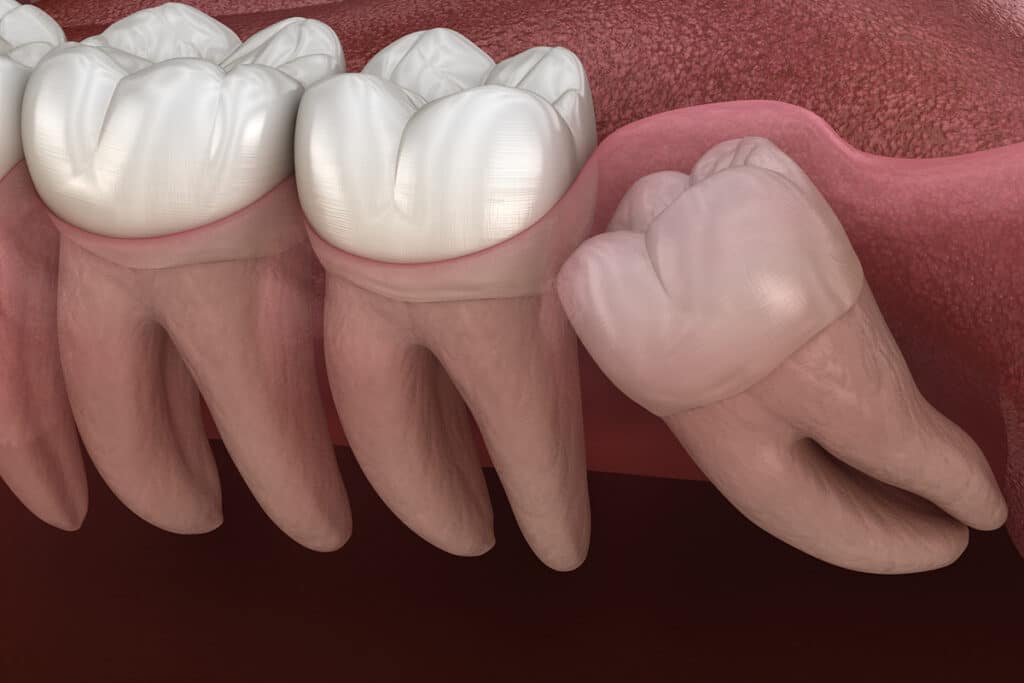
Wisdom teeth are the last set of permanent teeth to develop, typically appearing between the ages of 17 and 25. While some people have enough room for these teeth to erupt without causing problems, many experience issues because there simply is not enough space in the jaw. Impacted wisdom teeth are well known for causing pain, swelling, infections, and damage to nearby teeth, but many patients are surprised to learn they can also affect the sinuses.
If you have been experiencing facial pressure, congestion, upper jaw discomfort, or headaches alongside wisdom tooth pain, the two may be connected. Understanding how they relate can help Cincinnati patients recognize when it is time to consider wisdom teeth removal. At Oral & Facial Surgery Associates, advanced imaging and experienced oral surgeons help determine whether wisdom teeth are contributing to sinus symptoms and recommend the most appropriate treatment.
Understanding the Relationship Between Wisdom Teeth and Your Sinuses
The maxillary sinuses are hollow, air-filled spaces located behind your cheeks and above your upper teeth. These sinuses help humidify the air you breathe, reduce the weight of the skull, and contribute to your voice.
The roots of the upper wisdom teeth often develop very close to the floor of the maxillary sinuses. In some individuals, the roots are separated from the sinus by only a thin layer of bone. In others, they may even extend into the sinus cavity.
Because these structures are located so close together, problems involving the upper wisdom teeth can sometimes affect the surrounding sinus tissue. Likewise, sinus inflammation can occasionally cause discomfort that feels like a toothache, making it difficult to determine the true source of the pain without a professional examination.
How Wisdom Teeth Can Contribute to Sinus Problems
Not every upper wisdom tooth causes sinus issues, but impacted or infected teeth can sometimes irritate the nearby sinus cavity.
Several situations may lead to sinus-related symptoms.
- Infection. An infected wisdom tooth can allow bacteria to spread into nearby tissues. Because the upper wisdom teeth sit so close to the maxillary sinuses, an untreated dental infection may contribute to sinus inflammation or infection.
- Pressure Against the Sinus Floor. An impacted wisdom tooth may continue pushing against surrounding bone and tissues as it attempts to erupt. This pressure can create discomfort that extends into the sinus area and may feel similar to sinus congestion or facial pressure.
- Cysts Around Impacted Teeth. In some cases, an impacted wisdom tooth develops a cyst around the crown. Although these cysts are relatively uncommon, they can gradually enlarge and damage surrounding bone, placing additional pressure on the sinus cavity if left untreated.
- Chronic Inflammation. Even when an impacted wisdom tooth is not actively infected, chronic irritation of the surrounding gum tissue can contribute to ongoing inflammation that may affect nearby anatomical structures.
Symptoms That May Indicate a Connection
Sinus symptoms caused by wisdom teeth can closely resemble seasonal allergies or a sinus infection. Because many conditions share similar symptoms, it is important to have persistent discomfort evaluated.
Potential signs include:
- Pain in the upper back jaw
- Pressure beneath the eyes
- Facial tenderness
- Nasal congestion on one side
- Headaches around the cheeks or forehead
- Pain that worsens when bending forward
- Swollen gums around an upper wisdom tooth
- Difficulty fully opening the mouth
- Bad taste or drainage from the gums
These symptoms do not automatically mean your wisdom teeth are responsible. However, when they occur together with impacted or partially erupted wisdom teeth, an oral surgery evaluation may help identify the underlying cause.
Why Diagnosis Is So Important
Because tooth pain and sinus pain often overlap, diagnosing the problem correctly is essential. Many patients initially visit their primary care physician believing they have a sinus infection. Others assume they need dental treatment when the discomfort actually originates from inflamed sinuses.
At Oral & Facial Surgery Associates, your evaluation begins with a thorough examination and advanced diagnostic imaging. Three-dimensional cone beam CT (CBCT) scans allow the oral surgeon to clearly visualize the position of your wisdom teeth, surrounding bone, nerves, and nearby sinus structures.
This technology provides significantly more detail than traditional dental X-rays, making it easier to determine whether wisdom teeth are contributing to sinus symptoms or whether another condition may be responsible.
When Wisdom Tooth Removal May Be Recommended
Not every wisdom tooth requires removal. If the teeth are healthy, fully erupted, properly positioned, and easy to clean, they may simply be monitored over time.
However, extraction is often recommended when wisdom teeth:
- Become impacted
- Cause repeated infections
- Damage neighboring teeth
- Develop cavities that cannot be restored
- Lead to cyst formation
- Cause recurring pain or swelling
- Contribute to sinus discomfort or pressure
Removing problematic wisdom teeth before significant complications develop often makes treatment simpler and recovery easier. For younger patients, extraction may also be recommended because the roots are typically less developed and healing tends to be faster.
Will Wisdom Tooth Removal Affect the Sinuses?
This is one of the most common questions patients ask. Because the upper wisdom teeth are located close to the sinus cavity, patients often worry that surgery will permanently affect their sinuses.
Fortunately, complications involving the sinuses are relatively uncommon when the procedure is performed by experienced oral surgeons using detailed imaging and careful surgical planning.
If the roots lie very close to the sinus, your surgeon will discuss any additional considerations before treatment. In rare cases, a small opening between the mouth and sinus may occur during extraction, but this can typically be managed successfully with appropriate surgical techniques and post-operative care.
Following your surgeon's recovery instructions is one of the best ways to support proper healing.
Recovery Tips After Wisdom Tooth Removal
Most patients recover comfortably following wisdom tooth extraction, especially when they follow all post-operative instructions.
Your oral surgeon may recommend:
- Resting for the first 24 to 48 hours
- Using ice packs to reduce swelling
- Taking prescribed or recommended medications as directed
- Eating soft foods while healing
- Avoiding smoking and vaping
- Not drinking through a straw for several days
- Keeping the surgical area clean according to your instructions
If your extraction involved teeth near the sinus cavity, you may also be advised to avoid forceful nose blowing, heavy lifting, or activities that increase sinus pressure during the initial healing period. Following these recommendations helps reduce the risk of complications and promotes a smooth recovery.
Why Early Evaluation Matters
Many people postpone wisdom tooth removal because they are not experiencing severe pain. Unfortunately, impacted wisdom teeth can continue causing problems long before noticeable symptoms develop.
Regular evaluations allow your oral surgeon to monitor developing wisdom teeth and identify concerns before they become more complicated. Early treatment may help prevent infections, damage to neighboring teeth, cyst formation, and potential sinus complications.
Even if your current symptoms seem minor, determining whether your wisdom teeth are involved can help you avoid more extensive treatment later.
Trust Oral & Facial Surgery Associates for Expert Wisdom Tooth Care
If you are experiencing upper jaw discomfort, facial pressure, or recurring sinus symptoms alongside wisdom tooth pain, a professional evaluation can provide answers. Oral & Facial Surgery Associates combines decades of experience with advanced imaging technology to diagnose wisdom tooth problems accurately and recommend personalized treatment options for patients throughout Cincinnati and the surrounding communities.
Addressing impacted wisdom teeth early can protect your oral health, reduce discomfort, and help prevent future complications involving nearby teeth and sinus structures. Contact us to schedule a wisdom teeth consultation today.
Frequently Asked Questions About Wisdom Tooth Removal
Can wisdom teeth cause sinus headaches?
Yes. Upper wisdom teeth located close to the maxillary sinuses may contribute to facial pressure and headaches when they become impacted or infected. An examination and CBCT scan can help determine whether your symptoms are related to your wisdom teeth.
Can removing wisdom teeth relieve sinus pressure?
If impacted or infected wisdom teeth are causing irritation near the sinus cavity, removing them may help resolve the source of the problem. However, not all sinus pressure is caused by wisdom teeth, so a proper diagnosis is important.
How do I know if my pain is from my sinuses or my wisdom teeth?
The symptoms often overlap, making diagnosis difficult without an examination. Your oral surgeon will evaluate your teeth, gums, and surrounding structures using advanced imaging to determine the underlying cause.
Can impacted wisdom teeth increase my risk of sinus infections?
In some cases, yes. If an upper wisdom tooth becomes infected, the inflammation or bacteria may affect the nearby maxillary sinus because of the close anatomical relationship. An evaluation by an oral surgeon can determine whether your wisdom teeth are contributing to recurring sinus problems.
At what age should wisdom teeth be evaluated?
Most patients should have their wisdom teeth evaluated during their mid to late teens, even if they are not experiencing symptoms. Early evaluation allows your oral surgeon to monitor tooth development and recommend the best timing for removal if problems are likely to occur.
At Oral & Facial Surgery Associates, we are committed to providing compassionate, advanced oral surgery care for patients throughout the Cincinnati area. Using state of the art technology and decades of surgical experience, we create personalized treatment plans that prioritize your comfort, safety, and long-term oral health. Contact us today to schedule a consultation.